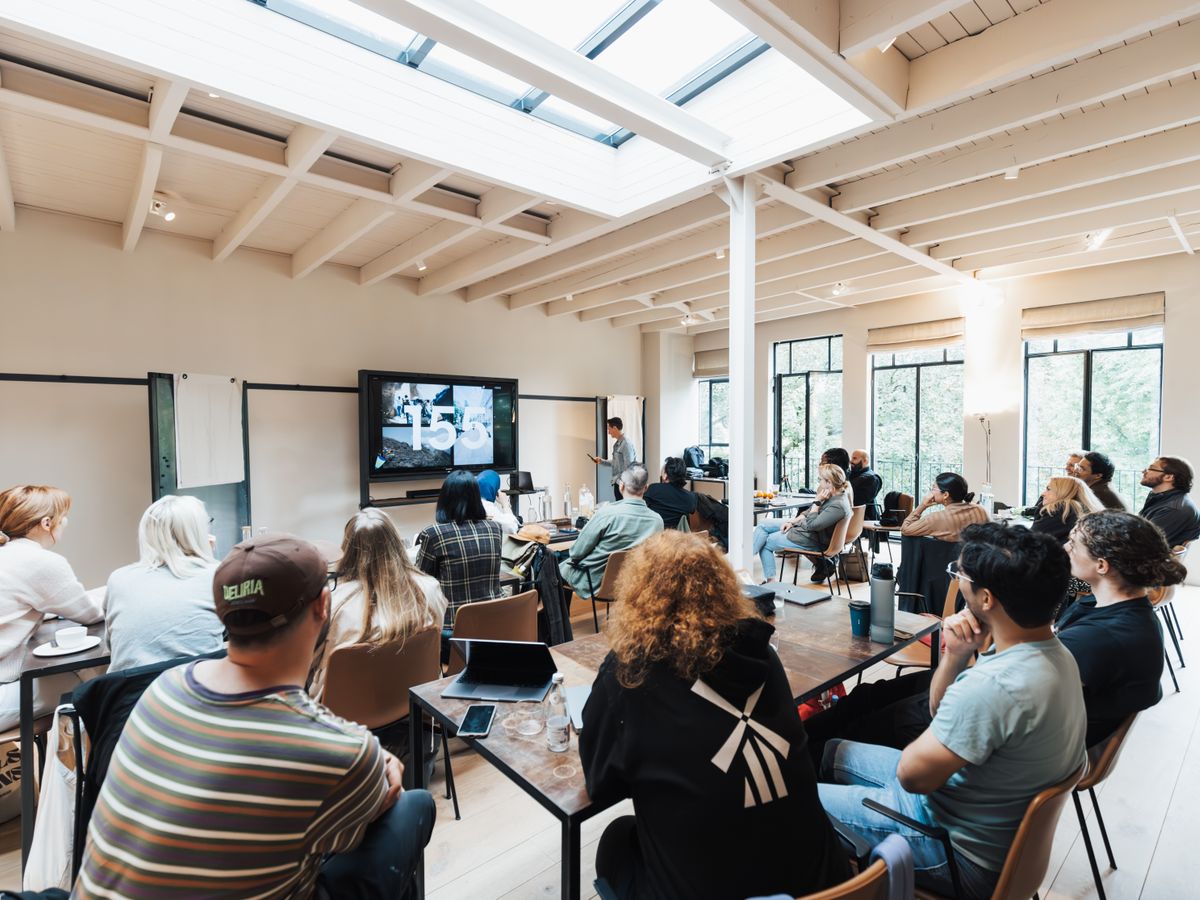
Instructor leading hands-on training
Veteran-Owned

Practical Experience. Practical Instruction.

Steel Water Training is built around hands-on skills, clear communication, and training that makes sense outside the classroom. Practical experience in emergency preparedness, field medical response, workplace safety, transportation and driver safety, operational safety management, program coordination, and multilingual instruction shapes how we teach.

Our Focus

Prepared People. Practical Skills.

We focus on emergency preparedness, lifesaving skills, workplace safety, personal safety, conflict management, active-violence response, and remote first aid. Courses are designed around real decisions and hands-on practice rather than lecture alone.

How We Teach

Skills That Hold Up Under Stress

Hands-On First

Practice, repetition and scenario work are central to the learning experience.

Clear Communication

Instruction is practical, direct and accessible, with Spanish-language support for multilingual groups.

Built Around The Environment

Workplace, transportation, outdoor and community clients face different problems. Scenarios should reflect the setting.

What Training Can Change

Prepared bystanders can materially change the first minutes of an emergency.

2–3×Immediate CPR can double or triple a person’s chance of surviving cardiac arrest.
67% vs 43%In one large study of witnessed shockable public cardiac arrests, survival was 66.5% after a bystander AED shock versus 43.0% when the first shock came from EMS.
88% vs 16%In a randomized trial, 88% of people given in-person bleeding-control training applied a tourniquet correctly versus 16% without that training.

Sources: American Heart Association · NIH — bystander AED study · PATTS randomized trial. Study results describe the populations studied and should not be read as a guarantee of outcome.

Who We Train

Preparedness for Organizations, Groups, Families, and Individuals

Best Fit: Steel Water Training is built for civilian, workplace, organizational, family, and outdoor preparedness—especially teams that want practical, hands-on skills and scenario-based learning.