Hands-OnSteel Water TrainingScenario Practice
Stop The Bleeding. Buy The Time.
Severe bleeding can become life-threatening before EMS arrives. Bleeding Control teaches participants to recognize dangerous hemorrhage quickly and use the right intervention for the injury.
Participants practice a progression of bleeding-control skills rather than learning a single technique:
- Scene safety and rapid recognition of life-threatening bleeding
- Direct pressure and pressure dressings
- Wound packing for appropriate junctional or deep wounds
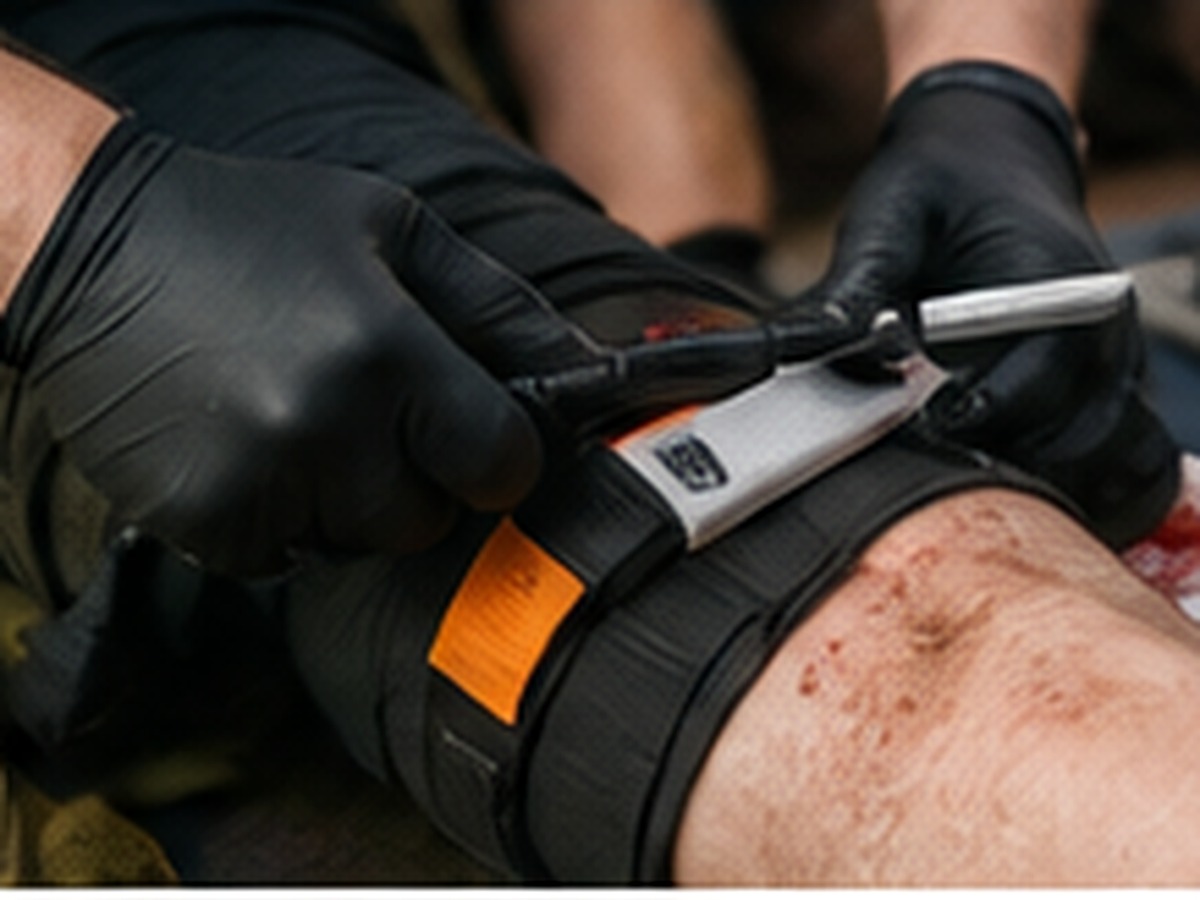
- Commercial tourniquet placement and reassessment
- Recognizing signs of shock and protecting the patient from further harm
- Communicating with 911/EMS and organizing available helpers
- Choosing and staging bleeding-control supplies for workplaces, vehicles, homes, and outdoor kits
- Scenario practice requiring participants to choose the appropriate intervention
The course can stand alone or be paired with CPR/AED/First Aid, Active Threat Response, Remote First Aid & Emergency Response, or workplace preparedness training.