4-Hour Essentials8-Hour ComprehensiveHands-onHunters · Campers · Outdoor Users

Emergency Care When Help Is Delayed

Remote First Aid & Emergency Response is designed for hunters, campers, hikers, anglers, boaters, ATV/UTV users, overlanders, rural property owners, outdoor workers, and anyone who may face an emergency where professional help is delayed.

The course focuses on the problems that become more difficult when the ambulance, rescue crew, or nearest road is not immediately available: controlling severe bleeding, evaluating injuries, protecting a patient from heat or cold, stabilizing suspected fractures, monitoring changing symptoms, improvising with available equipment, communicating for help, and deciding whether to shelter, self-evacuate, or wait for rescue.
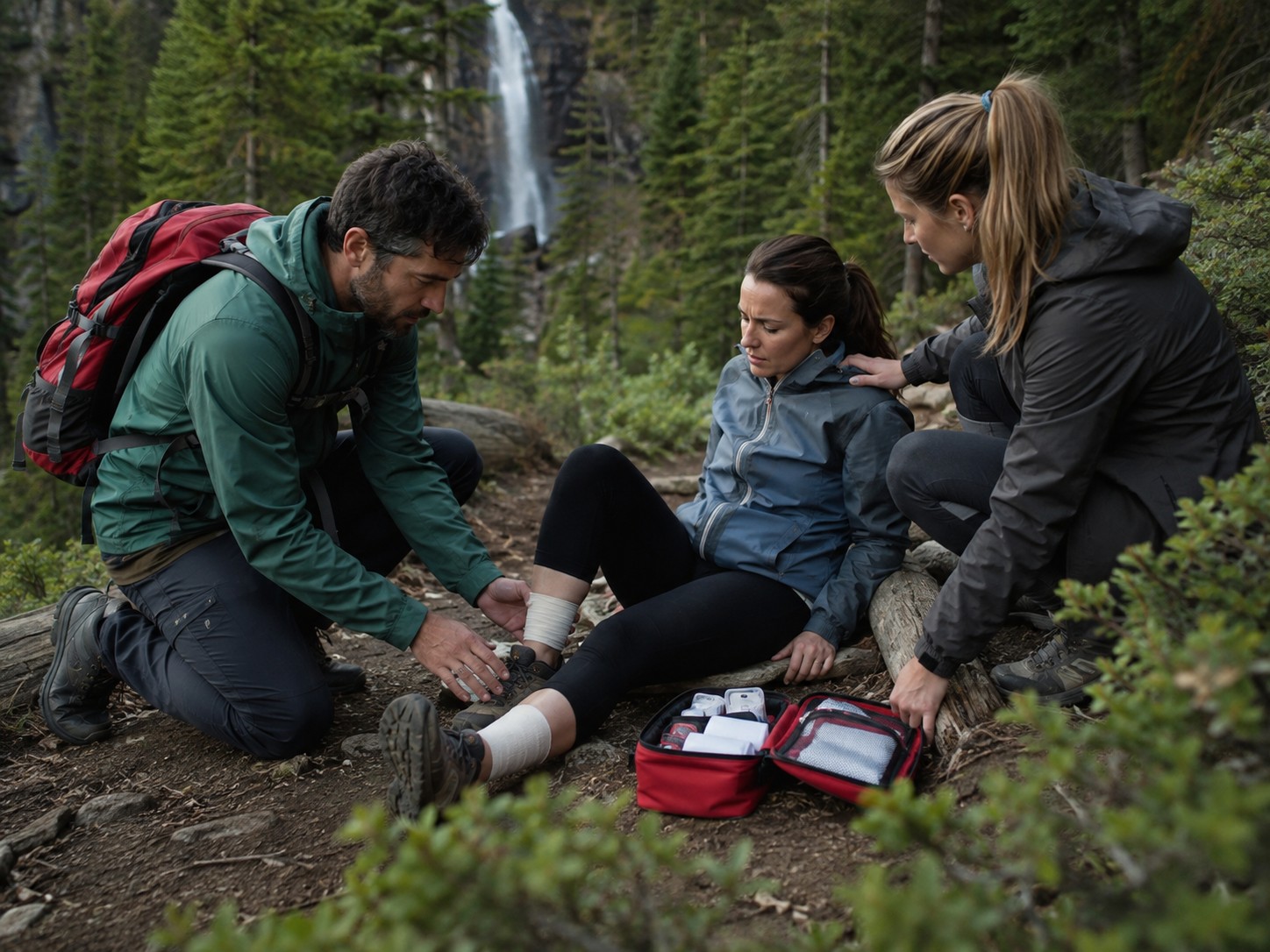
Remote first aid on a forest trail
Choose the Right Depth

Two Practical Course Options

Both options are proprietary Steel Water Training courses built for delayed-help environments. Choose the half-day Essentials course for core readiness or the full-day Comprehensive course for deeper assessment, environmental care, evacuation decisions, and scenario practice.

4 HoursEssentials

Remote First Aid Essentials

A focused half-day course for outdoor users, families, and rural teams who want the most important skills for the first minutes of a remote emergency.

  • Scene safety and rapid patient assessment
  • Severe bleeding and shock
  • Common medical and environmental emergencies
  • Basic injury stabilization and movement decisions
  • Emergency communication and activating rescue
  • Core GUARD™ decision practice
8 HoursComprehensive

Remote First Aid & Emergency Response — Comprehensive

A full-day course that builds on the essentials with more time for patient assessment, changing conditions, environmental problems, improvised resources, evacuation planning, and integrated scenarios.

  • Everything in the 4-hour Essentials course
  • Focused patient assessment, history, and reassessment
  • Fractures, splinting, and soft-tissue injuries
  • Heat, cold, exposure, and selected outdoor hazards
  • Improvised equipment and medical-kit planning
  • Evacuation, communications, and scenario lab
Credential note: These are Steel Water Training courses. They are not represented as a third-party Wilderness First Aid certification unless a separately authorized credentialed program is specifically identified.
When Help Is Not Around the Corner

The longer professional help takes, the more the first person on scene matters.

1–2 hrsIn many regions, most trauma deaths from uncontrolled bleeding occur within the first one to two hours after injury.
2–3×Immediate CPR can double or triple a person’s chance of surviving cardiac arrest.
>70%of rescues at Buffalo National River involve uninjured people who were unprepared and/or made unwise decisions.

Sources: Bleeding-control systematic review · American Heart Association · National Park Service.

Course Content

Practical Response Beyond Immediate EMS Access

  • Scene and patient assessment
  • Severe bleeding control
  • Shock recognition
  • Fractures and improvised splinting
  • Heat illness, hypothermia and environmental emergencies
  • Emergency communications
  • Improvised equipment using what is already in the pack
  • Patient movement and evacuation decisions
  • Medical-kit planning
  • Wildlife/insect/snakebite awareness
  • Ongoing reassessment while help is delayed
  • Scenario lab and “What’s In My Pack?” exercise
GUARD™ In Remote Emergencies

Use the GUARD™ Framework When Help Is Delayed

Gauge the scene, patient, weather, distance, and changing hazards. Use Your Resources—including companions, medical supplies, communications, navigation, shelter, vehicles, and improvised equipment. Act on immediate priorities. Recover by stabilizing the patient, team, and immediate environment. Depart & Dial by moving away from hazards or evacuating when appropriate and contacting rescue or other professional help.