Most people's instinct in a bleeding emergency is to call 911 and wait. That's half right — call 911 immediately — but waiting isn't the other half. In severe bleeding, the first few minutes before help arrives are often the difference-maker, and they belong to whoever is standing there.
Why Minutes Matter
A person can lose a life-threatening amount of blood in under five minutes from a severe wound. Professional help still takes time to arrive, and severe hemorrhage can worsen rapidly. That gap is why bleeding-control training matters: it gives people on scene practical ways to help until paramedics arrive.
Recognizing When It's Serious
Not all bleeding needs aggressive intervention. Life-threatening bleeding usually shows itself clearly: blood that's spurting or pooling rapidly, clothing soaked through, or a wound that doesn't slow down with initial pressure. If you see any of these, treat it as an emergency — don't wait to see if it gets worse.
The Two Techniques That Matter Most
Direct pressure and wound packing. Firm, continuous pressure on the wound is the foundation of bleeding control. For deep wounds, packing the wound itself with gauze — not just covering the surface — is what actually controls the bleeding. This is a skill that looks simple and is frequently done wrong under stress, which is exactly why hands-on practice matters.
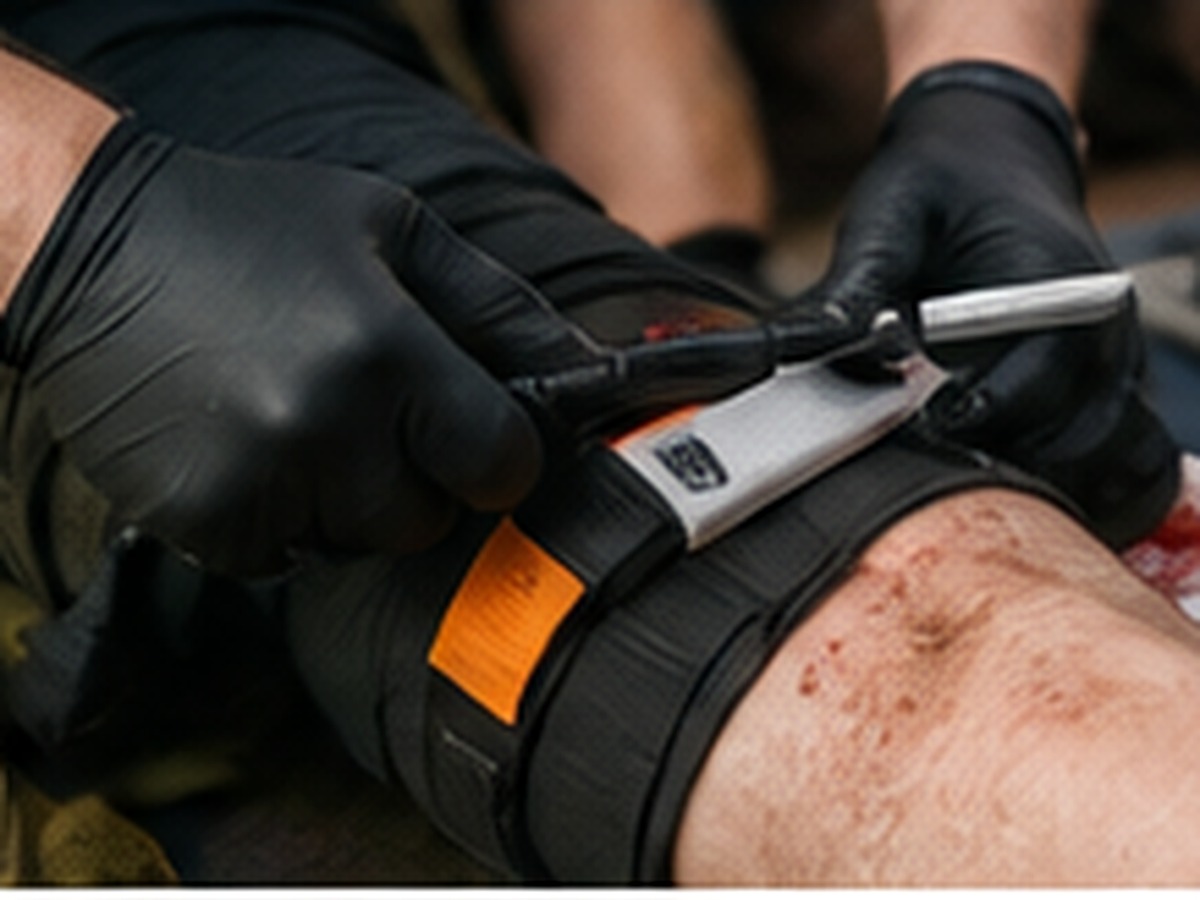
Tourniquets. The biggest misconception about tourniquets is that they're a last resort. They're not. For severe limb bleeding, a tourniquet applied early is safer and more effective than prolonged, ineffective pressure. Modern guidance is clear: if the bleeding is severe and on a limb, don't hesitate.
What Training Actually Adds
Reading about these steps is a reasonable start, but bleeding control is a physical skill. Knowing you should “pack the wound” and being able to do it correctly, under time pressure, with your hands shaking, are different things. That gap is what hands-on practice with real training aids closes.